The Handkerchief
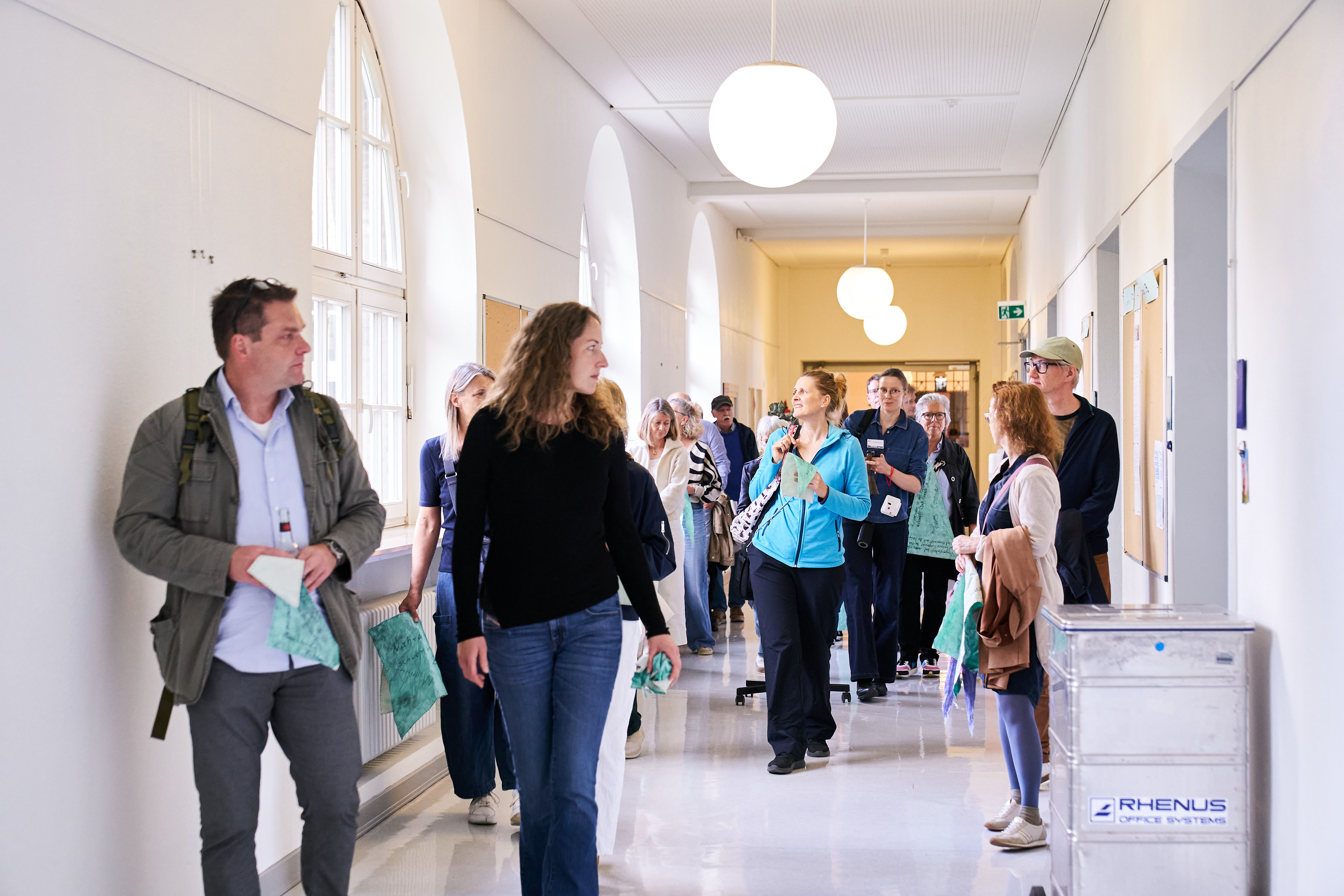
In September 2025, the State Institute for Qualification and Quality Development in Schools (LI Hamburg) hosted Heritage Open Day, coinciding with the institution’s centenary. As a multidisciplinary artist working with memory, I was invited to create a performative work focused on the history of teacher training in Hamburg. Inspired by the handkerchief ritual in Herta Müller's 2009 Nobel Prize lecture, I structured my walk around the meanings and actions associated with this familiar object, inviting participants to engage with it directly. If Herta Müller saw in the handkerchief a marker of affection - a sign of care her mother showed when seeing her daughter off to school, - my project introduces several additional layers related to informal learning, audience agency, and counter-monument activism. Among other key elements included in the performance are custom handkerchiefs, a Polaroid camera, artifacts from the Hamburg School Museum, and the sound of a Weimar-era school bell.

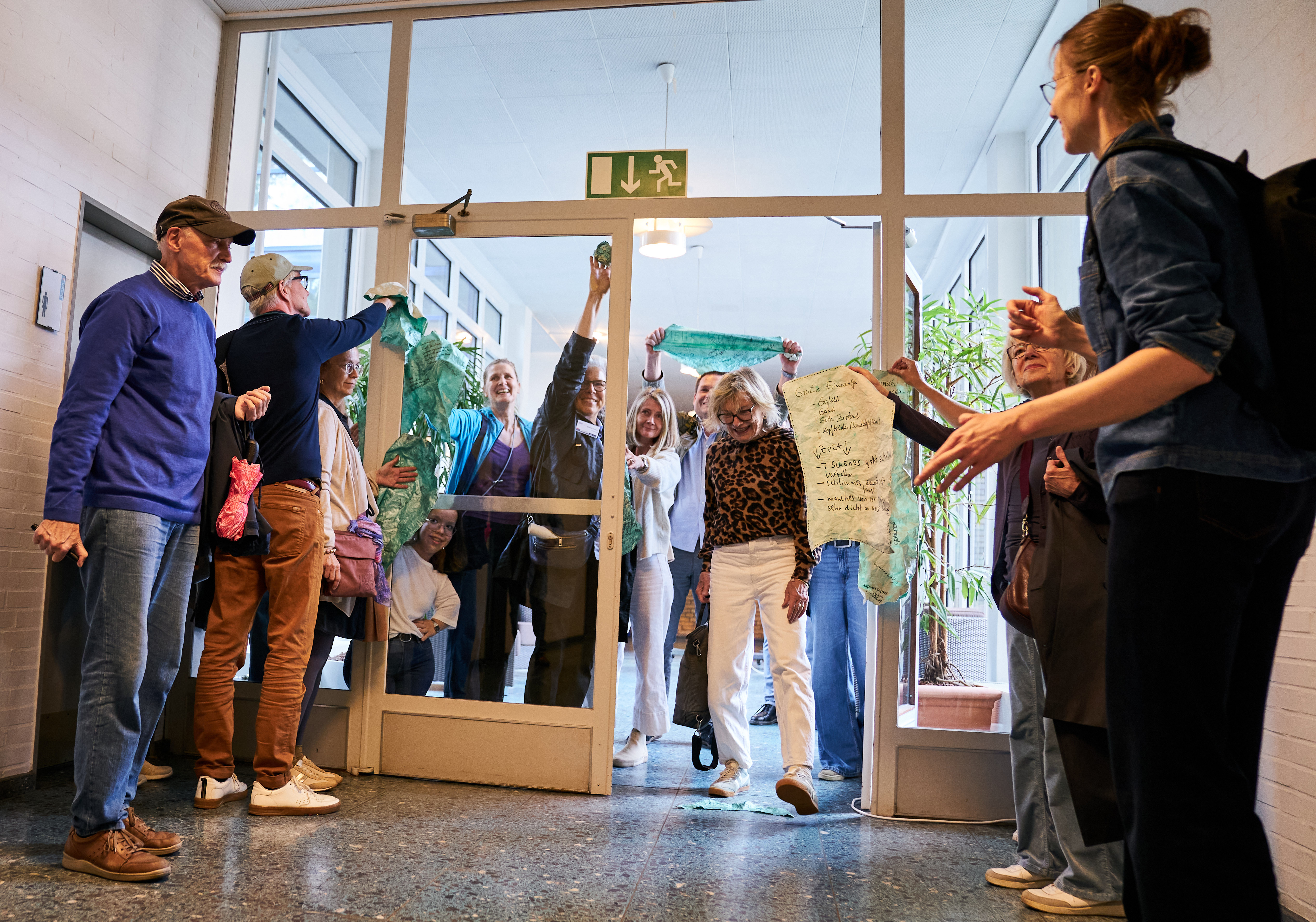
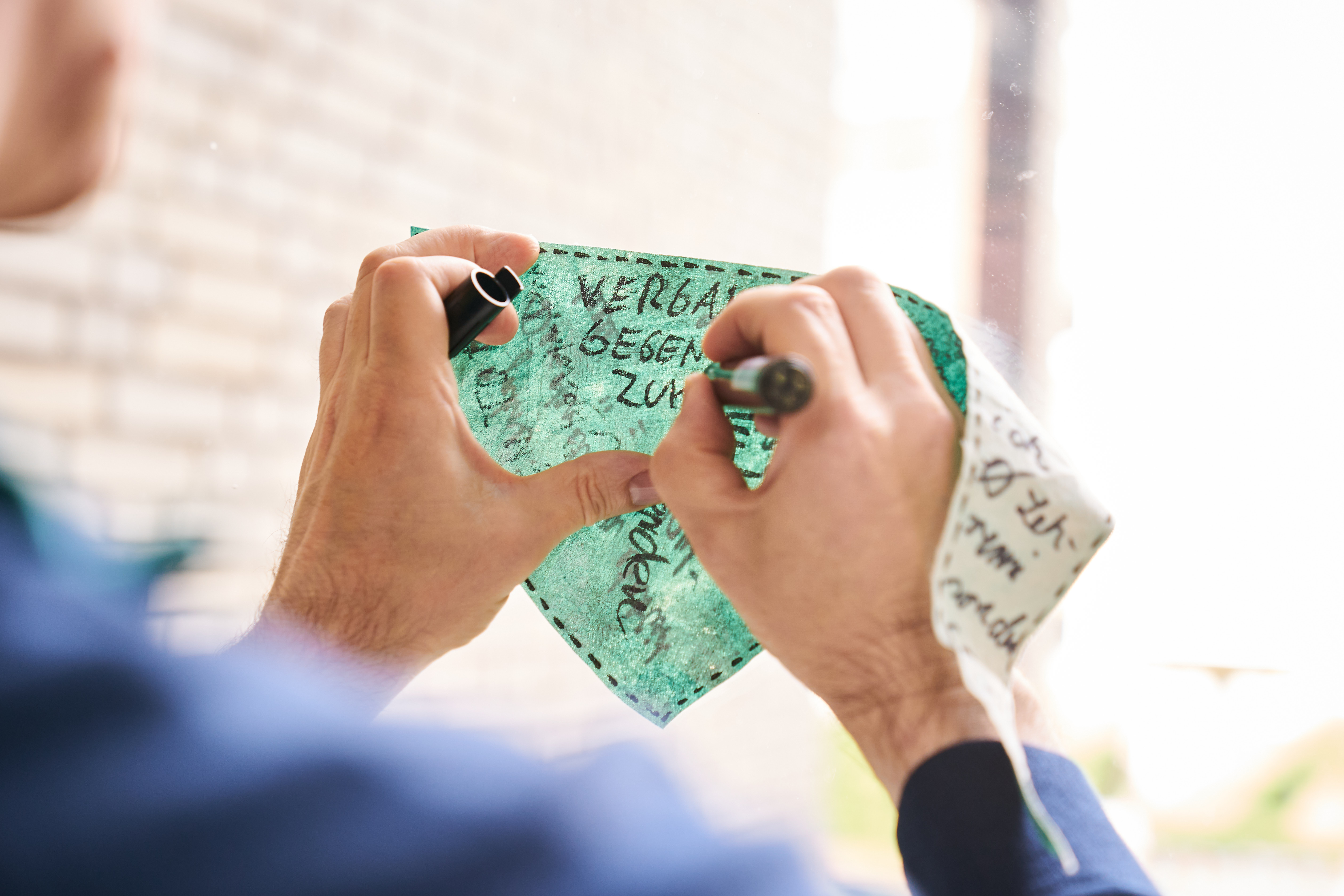
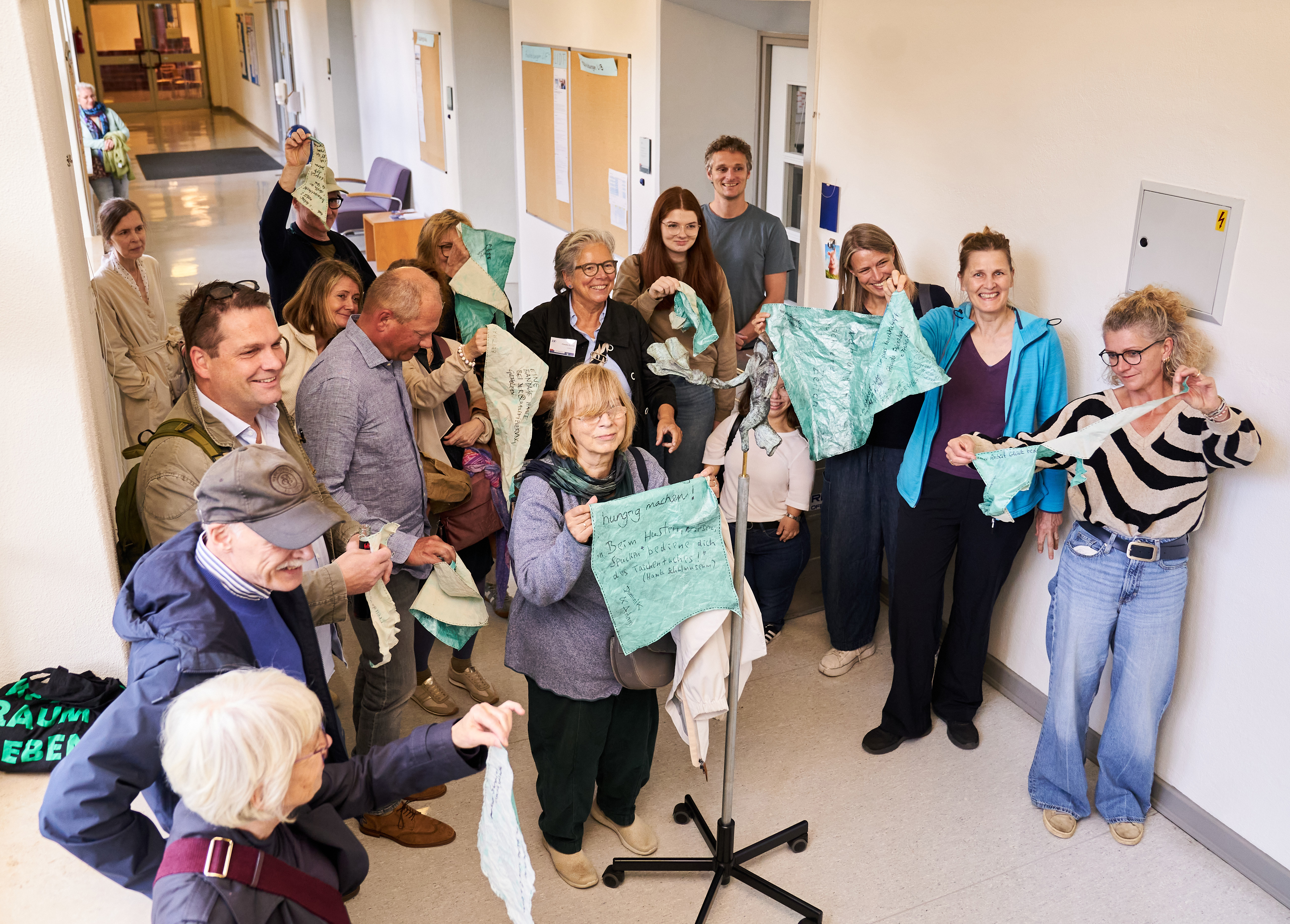
Below: Memory cues created and captured by participants via Polaroid.
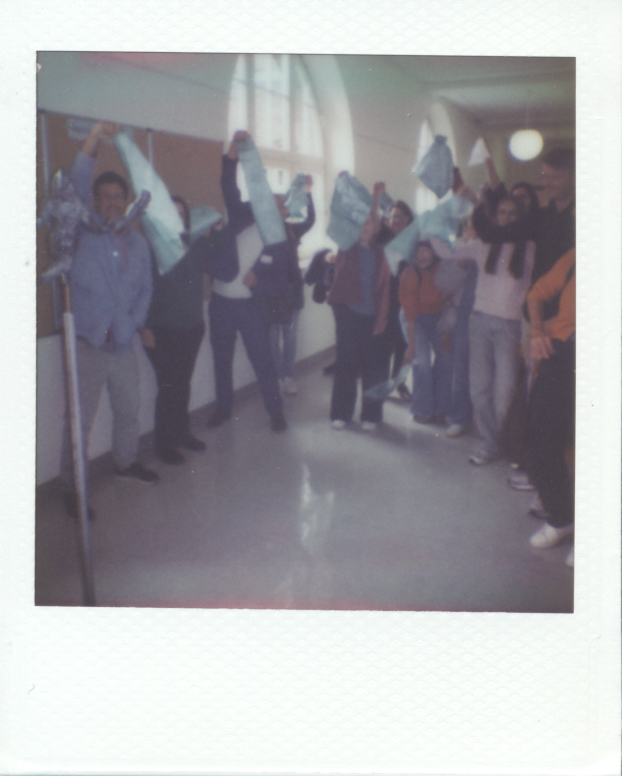

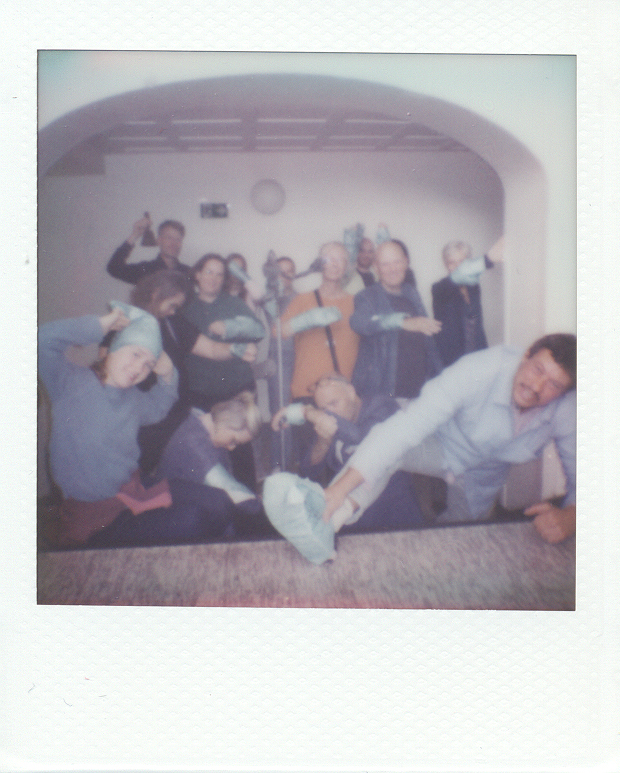
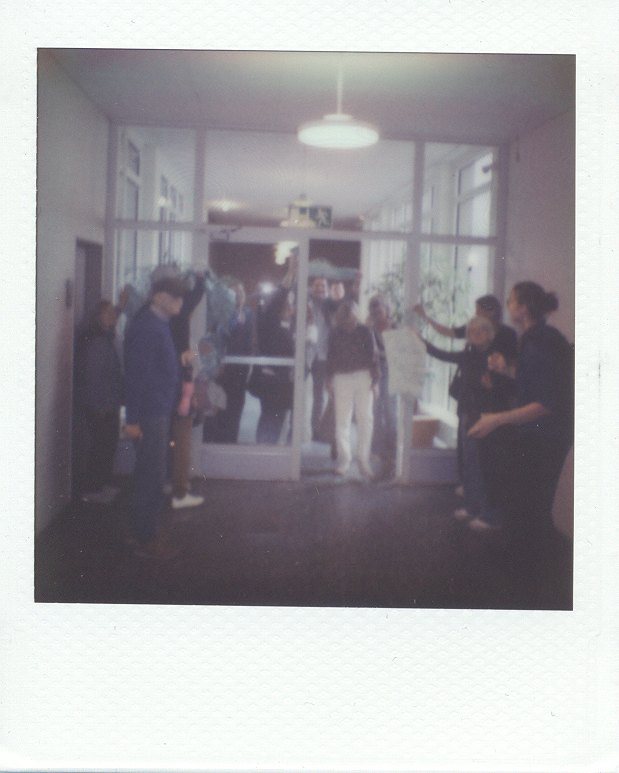
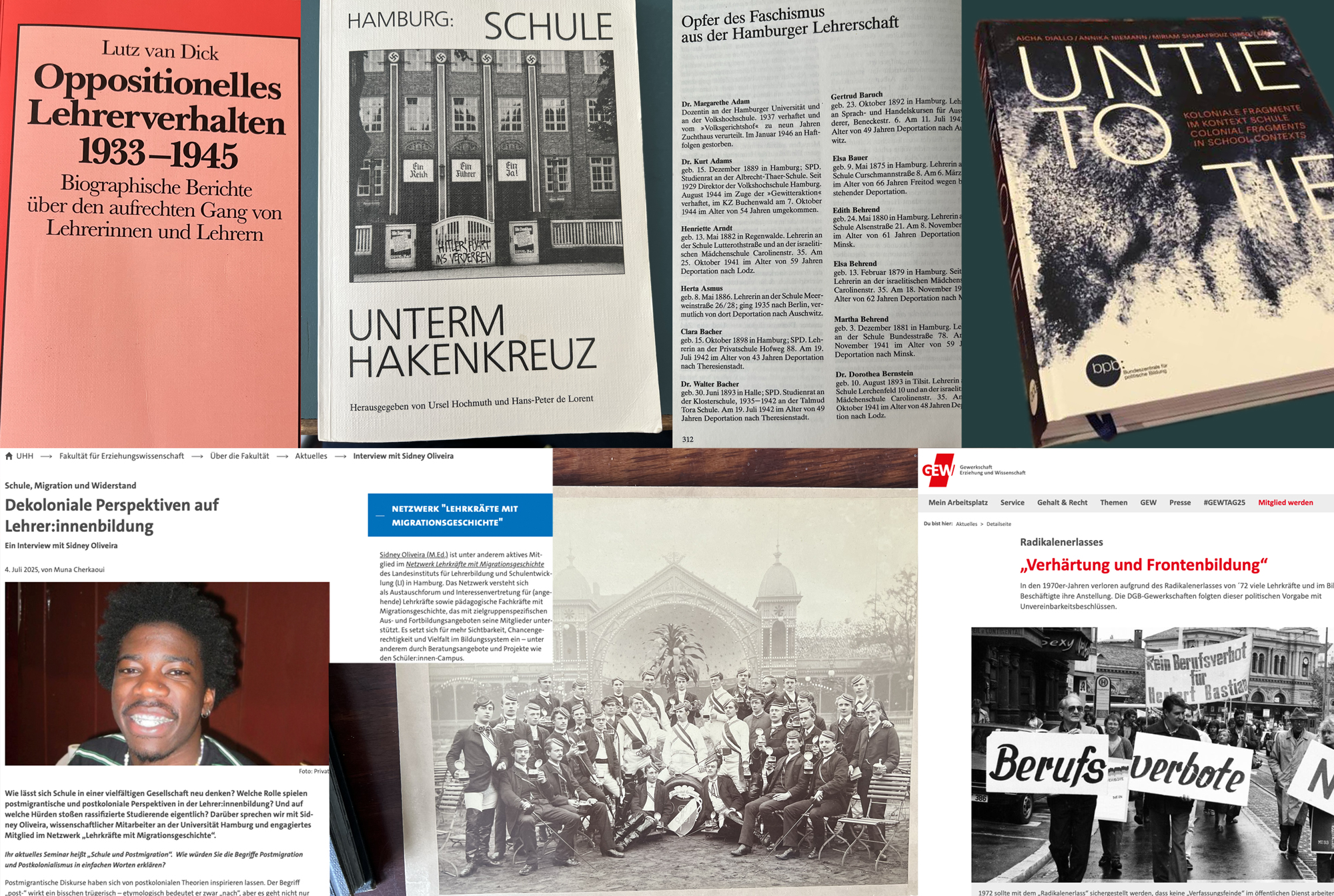
Images 1-10: Performative Walk “The Handkerchief”
Image 4: Sources https://untietotie.org/event/die-leerstellen-fuellen-koloniale-fragmente-im-kontext-schule/; https://www.ew.uni-hamburg.de/ueber-die-fakultaet/aktuell-2025/25-07-04-interview-sidney-oliveira.html; The Hamburger Schulmuseum (School Museum); https://www.gew.de/aktuelles/detailseite/verhaertung-und-frontenbildung
Hamburg (DE), 2025
Textile, Spoken Word, Sound, Bronze Sculpture on a Mobile Stand,
Historical Objects from the Hamburg School Museum, Polaroid Camera.
Duration: 50 min.
Exhibited at the State Institute for Qualification and Quality Development in Schools, Hamburg, on the occasion of the Heritage Open Day, 14.09.2025
Photo credit: Claudia Höhne; the participants of the performative walk (polaroids)
Kindly supported by the State Institute for Qualification and Quality Development in Schools, Hamburg
With thanks to Celina Rahman, Dr. Silke Urbanski, the team at the Hamburger School Museum, and Katharina Bosse.
©Franziska Windolf. All rights reserved.
Back
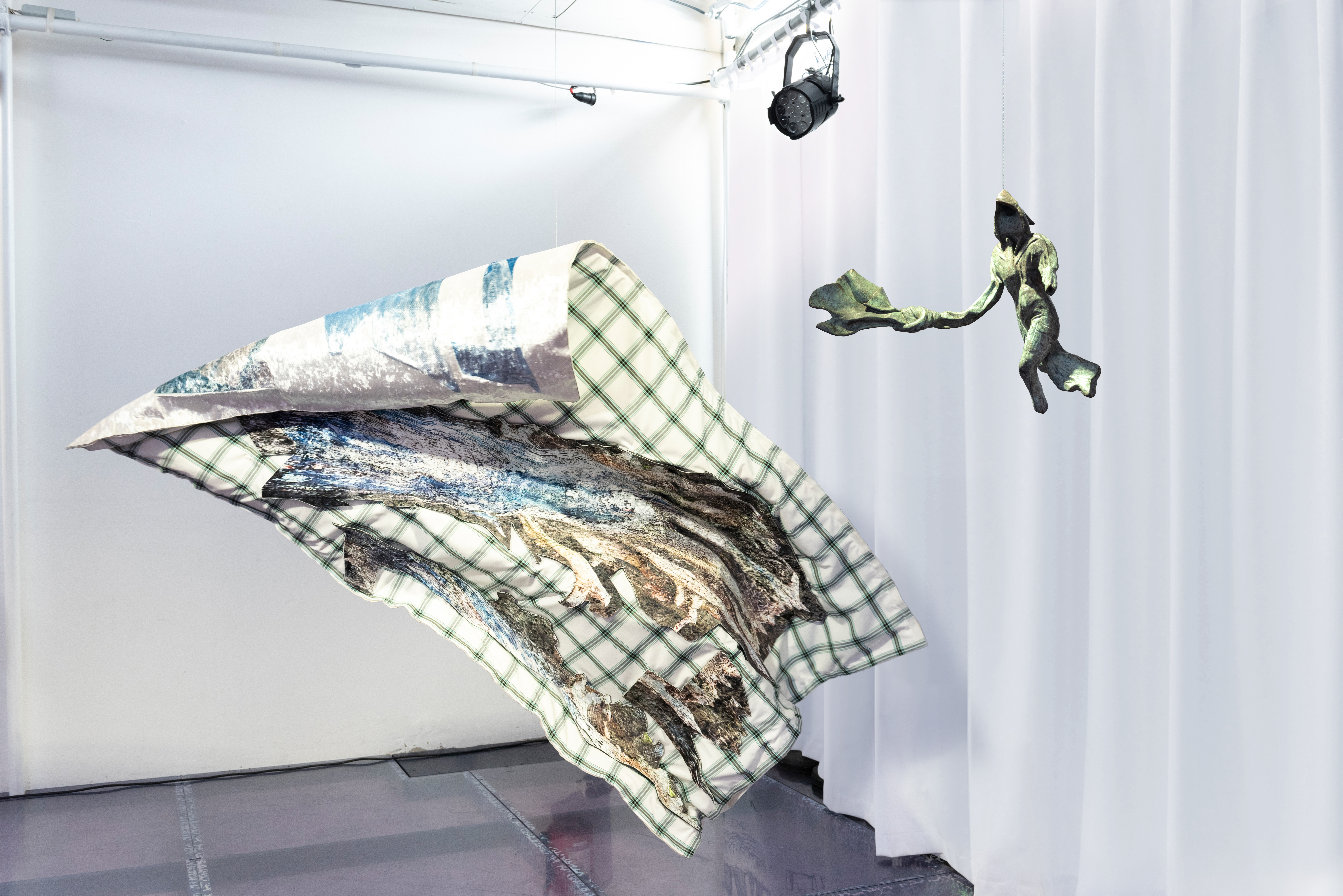
I created “The Handkerchief” installation for the 2024 exhibition Global Munich: In Perspective at the Habibi Kiosk (Münchner Kammerspiele) as part of the festival What is the City NOW? The exhibition explored what globalization meant for Munich, its history, inhabitants, and different urban spaces. My installation consisted of two distinct pieces placed next to each other to highlight a dialogue between them: a miniature 15 cm-height bronze figurine and an oversized two-meters’ handkerchief.
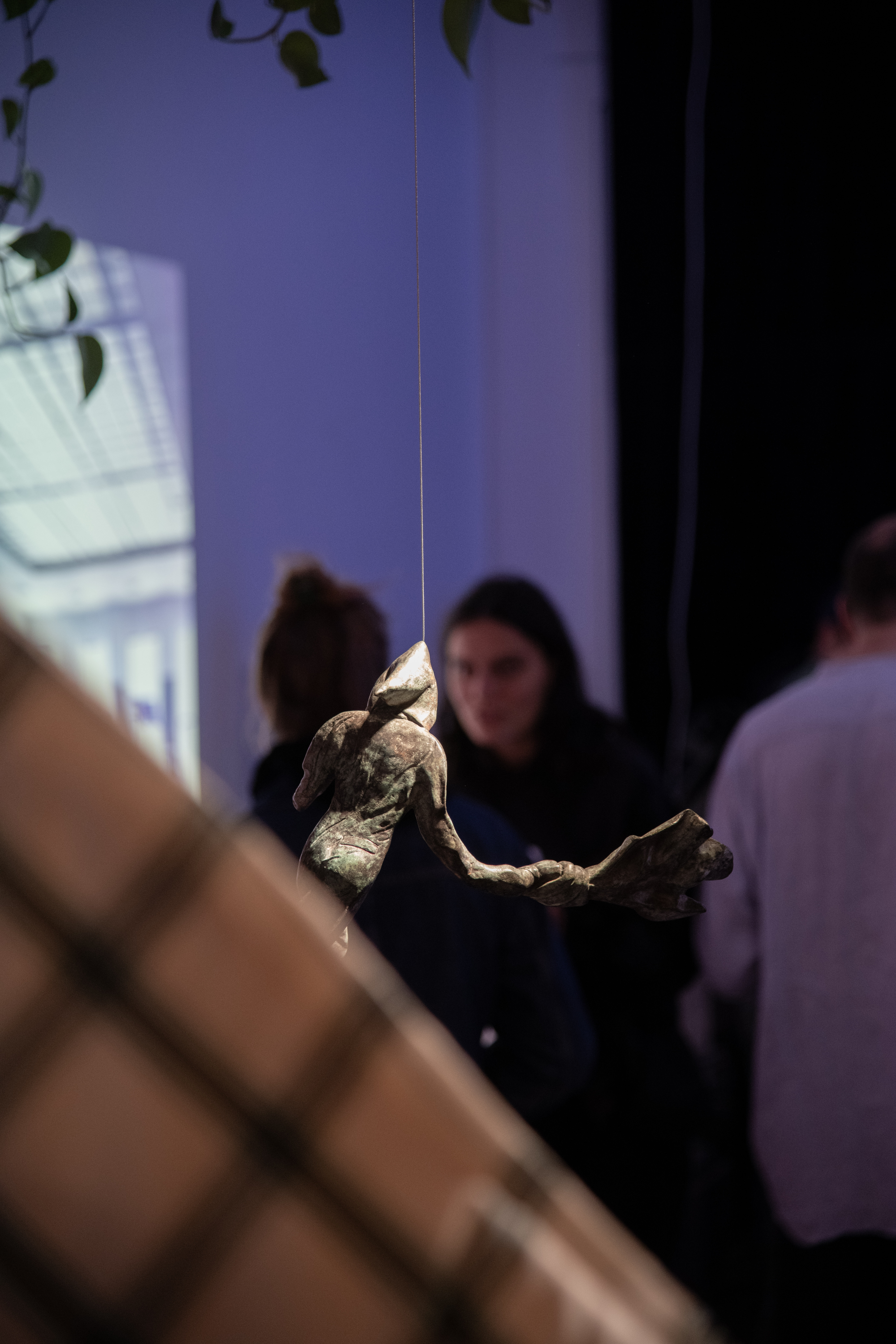
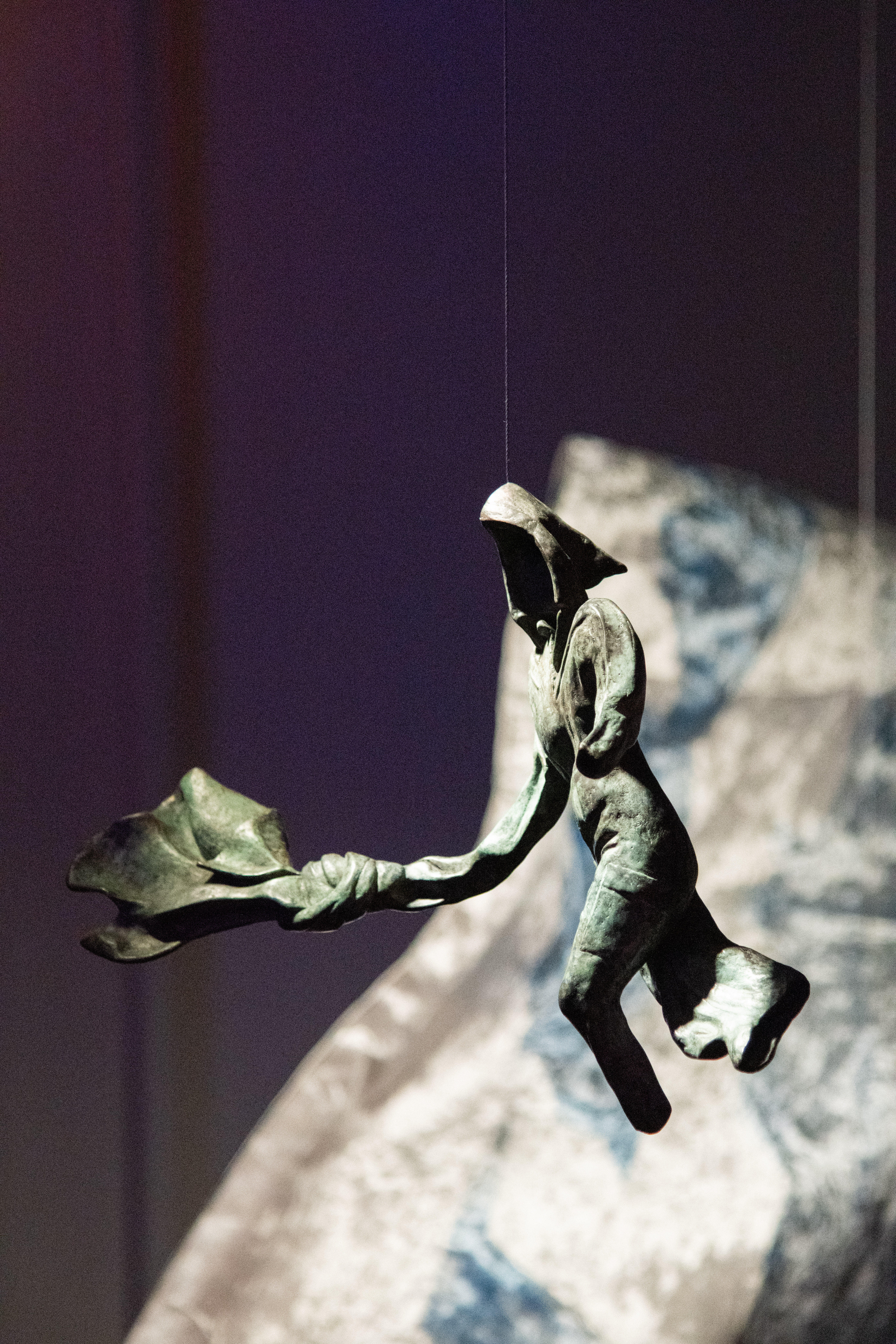
The miniature sculpture has the shape of the anonymous human body. It is a faceless figure with a stretched arm transformed into a knot - a universal symbol for a memory prompt. The sculpture’s hood is a reference to the Münchner Kindl which can be seen on the city’s coat of arms since the 13th century. The word Mönch (monk in German) is what the name Munich (München) originates from, historically related to the foundation of the city - now evolved into a commercial icon and also used as a colloquial term for Munichers.
The outfit I sculpted into the figurine’s form is related to “Meet The Memory Person” project (2023–2024) at the center of which there is a collector of migration and exile stories - a figure but then also a real role adapted by my fellow collaborators and myself during workshops and curated walks around several cities. In this very project I also challenged popular assumptions about Munich Originals existing in Bavaria as being privileged, snobbish, and ignorant. One of the possible reasons for the consistency of Munichners’ "exceptionality" has to do with Bavaria placed as a sovereign state at the center of a cosmological worldview in a complex heraldic program once displayed in Munich’s Old Town Hall (destroyed in 1944 during the bombing of the Allies.) The reference to this historical fact is reflected in the figurine, as well - I carved its crossed legs to evoke associations with Moorish Dancers, a 1480 woodcarving by Erasmus Grasser. By patching these references together, the art piece addresses globalization and power play in connection with the city’s positioning both in Germany and Europe.
Another element of the installation is a textile handkerchief covered in several prints that bear a special meaning important for the concept of this art piece. In addition to their private practical use, in the 18th century handkerchiefs also served as a common commemorative item circulating the information about major societal events, such as the American War of Independence, the French Revolution, the ascent of hot air balloons, or the death of famous figures. To further enhance this aspect of the handkerchief’s application and emphasize the shift from the private to the public, I decided to make it two-meters’ wide. The oversized textile piece features prints that address marginalized fragments of Munich’s historiography. These include a tree trunk as a non-human time witness on one side and the logo of the Croatian football club N.K. Dinamo München e.V. (1971), a reference to the Jewish-owned folk costume store Volkskunsthaus Wallach (1900), a fragment of the refugee aid poster Welcome to Munich (2015), created when hundreds thousands refugees arrived to Germany from Syria and Iraq fleeing war - on the other.